Privacy Protocols Under Pressure as $12.6 Million in USDC Linked to Zama Is Frozen
The recent freezing of approximately $12.6 million in USDC said to be connected to the privacy-focused project Zama and has now sparked a fresh debate about the future of privacy protocols in the cryptocurrency industry.
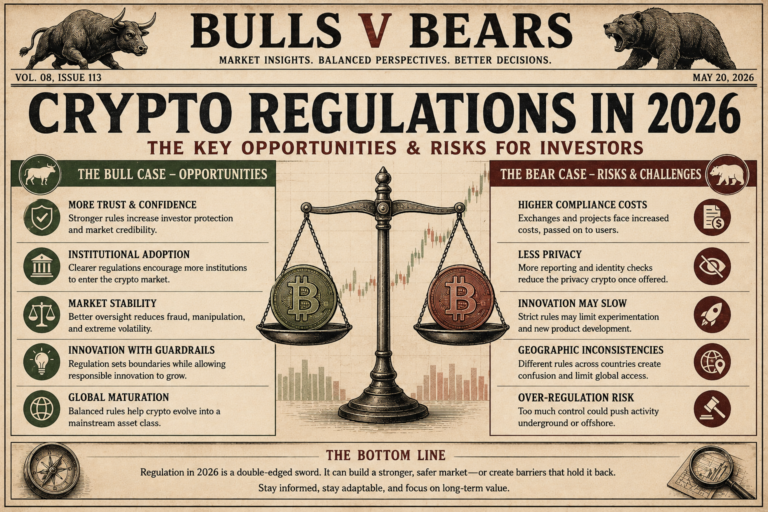
While the real details surrounding the freeze still continue to emerge, the incident highlights the increasing level of regulatory attention thats now starting to be directed toward these projects that prioritise different forms of transaction privacy and confidential computing. Regulators from all around the world have started to become increasingly concerned about technologies that could potentially make financial transactions more difficult for them to monitor, particularly as governments begin to strengthen any anti-money laundering (AML) and know-your-customer (KYC) requirements.
For investors, the development may well create more unwanted uncertainty across the broader privacy-focused crypto sector. Market participants often react cautiously when regulatory actions involve projects associated with privacy technologies, fearing that stricter oversight could limit adoption, create compliance challenges, or impact future growth prospects and price growth .
The freeze may also raise a few more questions about the balance between privacy and regulation within the digital asset ecosystem. Supporters of privacy protocols argue that confidential transactions and encrypted data are essential for protecting both the user security and enabling greater enterprise adoption. Critics, however, contend that excessive privacy can just as easily create obstacles for regulatory compliance and law enforcement investigations.
As a result of this , traders and investors may then decide to more closely monitor how any authorities and industry participants respond to this developing situation. Any indication of increased regulatory pressure on privacy-focused platforms could weigh on sentiment in the short term, particularly among smaller-cap projects operating within the sector.
Despite the concerns, many privacy technology developers continue to emphasise that their solutions are designed to greater support any legitimate use cases while still remaining compatible with all the added regulatory requirements.
Nevertheless, the freezing of $12.6 million in USDC serves as yet another reminder that regulatory developments remain a significant factor influencing both the direction of the cryptocurrency market and the future of all privacy-focused blockchain innovation.